
 ENFIELD
 HACKNEY
 HARINGEY
 ISLINGTON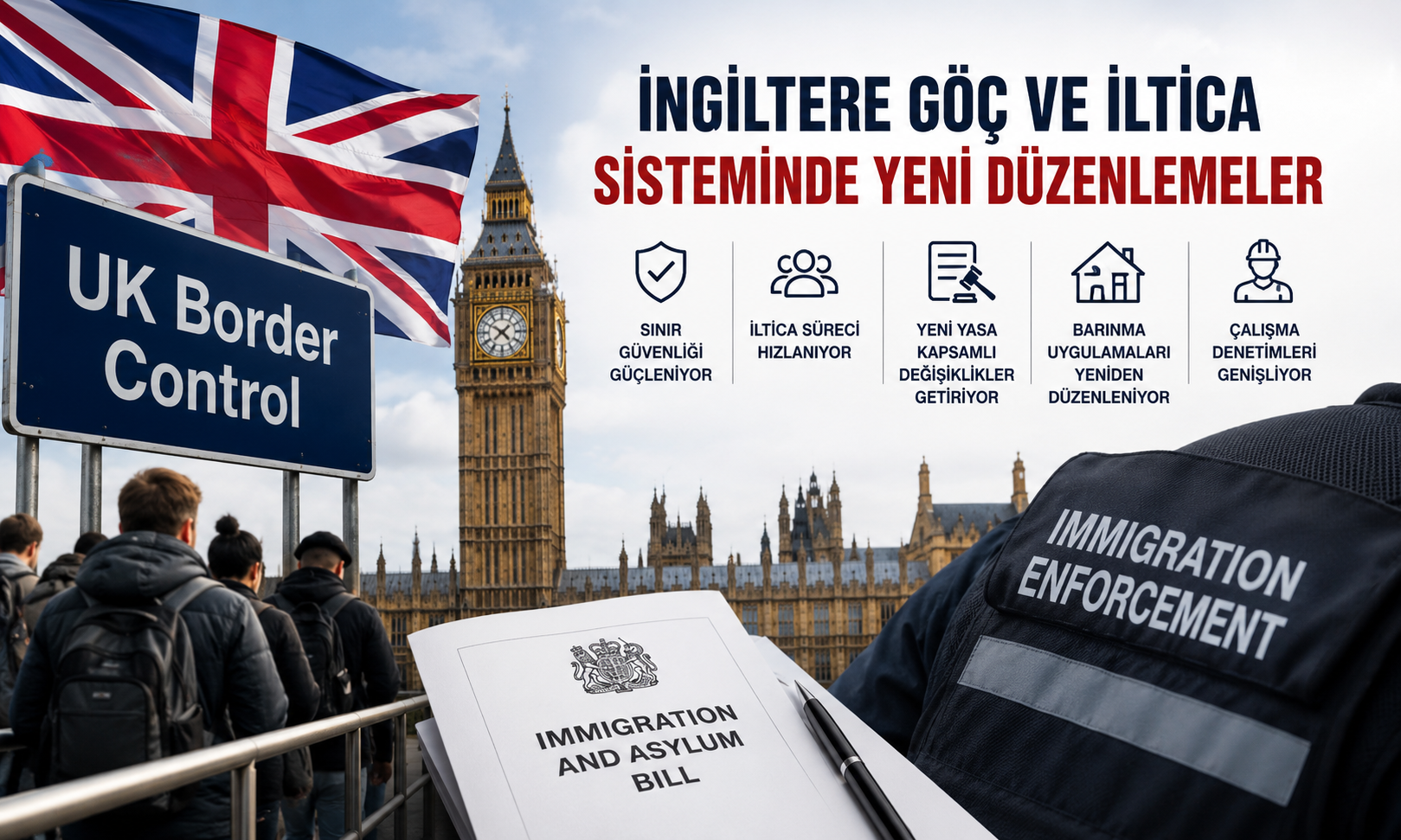

Background – Figures:
- Nearly 70,000 illegal migrants and foreign criminals have been returned, an increase of 41% compared to the previous 21-month period. Of these, 10,000 were foreign national offenders, an increase of 36%.
- The Home Secretary will double the Immigration Enforcement budget by 2028 to 2029 and boost workforce numbers by 60% from 2024 in 2026 to 2027. This will see tens of thousands more raids, arrests and deportations of illegal migrants.
- Asylum decisions are being made at four times the rate seen under the previous government.
- As a result, the number of people waiting for an initial decision has fallen by 72% since June 2023, where the backlog stood at 175,000 cases, and 55% less than a year prior.
Refugee protection reforms (announced by the Home Secretary in March 2026)
· In March 2026, the Home Secretary announced reforms to the UK's refugee protection system.
· Refugee protection is now granted on a temporary basis rather than as permanent status for all adults claiming asylum, and subject to review every 30 months.
· At a 30-month review, refugees with a continuing need of sanctuary will have their protection renewed, while those whose countries are now deemed safe will be expected to return home.
Specialist police units deployed under recent UK-France deal
- Announced under the landmark UK-France deal and deployed in time for the summer months, two specialist French police units are now operational in Northern France to track down illegal migrants and prevent small boat crossings.
- Backed by enhanced drone, helicopter, plane and camera surveillance systems, Compagnie de Marche officers will break up launch attempts, seize equipment and disrupt migrants before they reach the water.
New Immigration and Asylum Bill, introduced to Parliament on 30 June
· The new Immigration and Asylum Bill will deliver the most significant policy proposals in a generation to create a firm but fair asylum system that works for Britain, restoring order and control to the immigration system and reducing the pull factors driving illegal migration.
Recouping Accommodation Costs:
- Asylum seekers to pay towards costs of accommodation and support under new laws.
- Adults who have received asylum support, and are able to contribute, will be required to repay a flat-rate contribution towards accommodation and support costs. Under current plans introduced to Parliament on 30 th June (2026), this is expected to be around £10,000 and must be paid in full before an individual is eligible for settlement, with thresholds set to avoid forcing anyone into destitution.
New Independent Appeals Body
· Through the Immigration and Asylum Bill, the government will set up a new Independent Immigration Appeals Authority to accelerate the removal of failed asylum seekers and foreign criminals.
· New laws will also ensure that those who are abusing the system to delay or prevent their return are no longer able to do so.
Immigration Removal Centres (IRC) Expansion:
- The expansion of Haslar and Campsfield Immigration Removal Centres will contribute to a 40% increase in UK detention capacity, more than tripling cumulative capacity at those centres from 290 to 1,000 beds.
- Thousands more foreign criminals and failed asylum seekers will be removed from the UK over the coming decade.
Military Sites and Hotel Closure:
- The government is reducing reliance on asylum hotels and moving people into larger, more basic accommodation.
- As part of plans to use larger, basic and more suitable accommodation sites to house asylum seekers, discussions have begun to use three former Ministry of Defence (MoD) sites to house asylum seekers, with planning permission being sought at MoD Bicester, MoD Barnham and MoD Linton-on-Ouse.
- At its peak under the previous government, it cost taxpayers £9m a day to fund hotels and confidence in communities was shattered.
Extending Right to Work Checks:
- From 1 October 2026, employers operating in gig economy and other flexible working arrangements, such as food delivery and construction, will face sanctions if they employ workers without the right to work in the UK.
- Those employers who fail to meet these requirements will face hefty penalties, including fines of up to £60,000 per worker, director disqualification and potential prison sentences of up to five years.
Expanded briefing notes
The Immigration and Asylum Bill, introduced to Parliament on 30 June, sets out wide-ranging reforms to restore order and control to the asylum and immigration system. changes to asylum support cost recovery, measures to speed up appeals and removals and reforms to human rights and modern slavery laws to prevent abuse of the system. The government says these reforms are intended to provide protection to those genuinely in need, while reducing incentives for dangerous and illegal journeys to the UK.
The government is also moving away from costly hotel use, returning accommodation to local communities and reducing pressure on public services. The government has confirmed twenty more asylum hotels closures across the country, the second tranche of hotel closures after 11 were closed in April. At its peak under the previous government, it cost taxpayers £9m a day to fund hotels.
New accommodation sites, including repurposed former MOD locations, will provide more suitable and cost-effective housing while cases are processed.
Tackling illegal working is critical to remove the perceived incentives that draw migrants to the UK illegally, and new measures are also closing a potential loophole. It will be a legal requirement from 1 October 2026 for all employers, including those operating flexible working arrangements, such as food delivery and construction, to ensure their workers have legal status and permission to work in the UK, with significant penalties for those employers who fail to comply. Those who fail to meet these requirements will face hefty penalties including fines of up to £60,000 per worker, director disqualifications, and potential prison sentences of up to five years.
Alongside domestic enforcement, action is being intensified at the border. Announced under the landmark UK–France deal, two new French police units are now on the ground in Northern France to stop dangerous illegal crossings, supported by advanced surveillance technology including drones and aircraft. These teams are actively disrupting crossings, seizing equipment, breaking up launch attempts, and preventing dangerous journeys before they begin. The deal delivers more than 40% increase to law enforcement officer numbers, marking a significant step in joint UK-France efforts to stop dangerous illegal crossings.
UK enforcement activity has significantly intensified with nearly 70,000 illegal migrants and foreign criminals returned, an increase of 41% compared to the previous 21-month period. The Home Secretary will double the Immigration Enforcement budget by 2028 to 2029 and boost workforce numbers by 60% from 2024 in 2026 and 2027. This will see tens of thousands more raids, arrests and deportations of illegal migrants.
Asylum decisions are also being made at four times the rate seen under the previous government. As a result, the number of people waiting for an initial decision has fallen by 72% since June 2023, where the backlog stood at 175,000 cases, and 55% less than a year prior.
source: mmc-uk










 Türkçe
 العربية
 English
 Deutsch
 Ελληνικά
 עִבְרִית
 Русский
 Українська